
The Importance of Spring Cleaning for Your Car
As winter recedes, it is essential to consider the state of your vehicle and the significance of spring cleaning. During winter months, harsh weather conditions often subject cars to a variety of damaging elements, including road salt, grime, and dirt accumulation. These factors can adversely affect the exterior and interior of your car, leading to potential long-term issues.
Road salt is particularly detrimental; while it helps to melt ice on roads, it can corrode metal surfaces underneath the vehicle. If left unattended, this corrosion can result in rust formation, which can compromise the structural integrity of your car. Additionally, the residue created by mud and slush during winter can create a breeding ground for bacteria, fungi, or mold within the vehicle’s interior.
By engaging in a thorough spring cleaning, vehicle owners can benefit in numerous ways. First and foremost, regular cleaning helps in prolonging the lifespan of key components. Ensuring that dirt and contaminants do not accumulate will contribute to smoother operations and reliability, with the vehicle servicing better throughout the warmer months.
Moreover, the importance of cleanliness extends beyond practicality. A clean car significantly enhances safety. Dirty windshields and mirrors can impair visibility, while unwashed headlights can reduce illumination, creating hazardous driving conditions. Therefore, maintaining your car’s exterior is equally vital for your safety on the road.
Finally, a clean vehicle boosts aesthetic appeal. A well-maintained car is not only pleasant to drive but also conveys a sense of responsibility and pride in ownership. Investing time and effort in spring cleaning is thus an investment in your vehicle’s overall value and functionality.
Detailing Your Wheels and Tires
Maintaining the cleanliness of your vehicle’s wheels and tires is essential, not only for aesthetic appeal but also for optimal performance. Winter weather can leave tires and wheels coated in dirt, salt, grime, and brake dust, which can harm both their appearance and functionality. Therefore, a thorough detailing process is highly advisable as the seasons change.
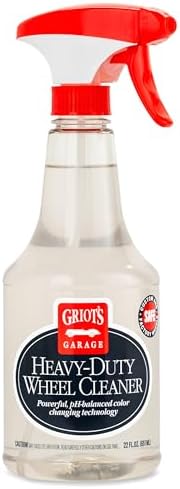
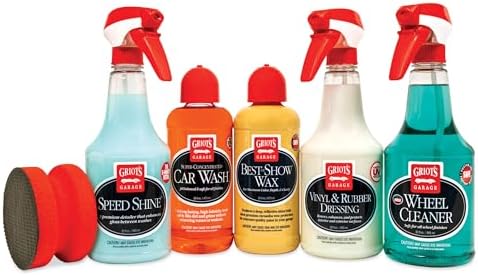
To begin, gather the necessary tools and products. You will need a bucket, a soft-bristle brush, an appropriate wheel cleaner, tire shine, and microfiber towels. Start by rinsing your wheels with water to remove loose debris. This initial step helps minimize scratching during the cleaning process.
Next, apply the wheel cleaner generously, allowing it to penetrate any built-up dirt. Most wheel cleaners are formulated to tackle tough grime, but it is crucial to choose a product that is safe for your specific wheel type, whether alloy, chrome, or painted. After allowing it to sit for a few minutes, use a soft-bristle brush to gently scrub the surface, focusing on tight areas where dirt tends to accumulate.
After scrubbing, rinse the wheels thoroughly with clean water to wash away the cleaner and loosened dirt. It is important to avoid any residue, as this could affect the shine and finish of the wheels. Once rinsed, dry them with a microfiber towel to prevent water spots.
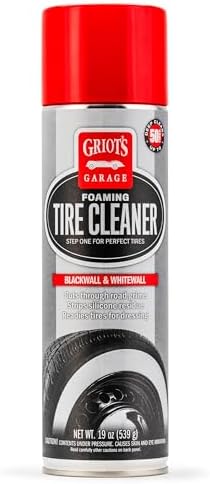
For the tires, begin by applying a dedicated tire cleaner that effectively breaks down any oils and road grime. Use a scrubbing brush to ensure that every part of the tire receives attention. Rinse the tires thoroughly, then apply tire shine to restore the original luster and protect against environmental elements. This step enhances not only the look but also longevity.
Properly detailing your wheels and tires not only elevates your vehicle’s appearance but also aids in maintaining safety and performance on the road. A clean set of wheels enhances the overall driving experience, making the maintenance process even more worthwhile.

Decontaminating and Protecting Your Car’s Paint
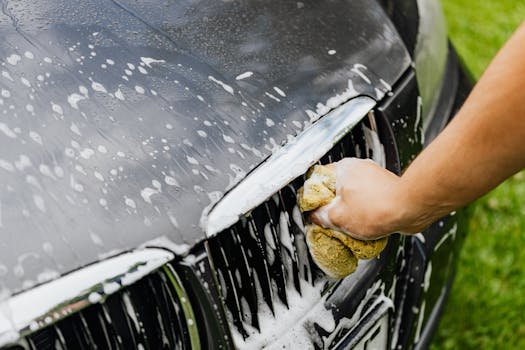
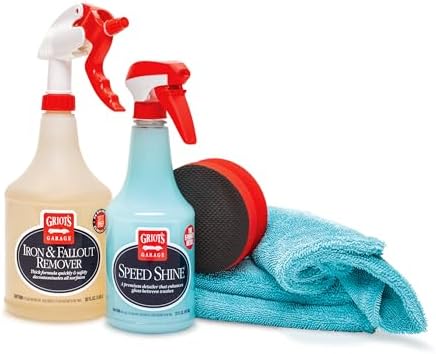
After enduring the harsh conditions of winter, your vehicle’s paint may be more susceptible to damage from environmental factors such as road salt, grime, and contaminants. Properly decontaminating your car’s paint is essential for restoring its sheen and ensuring it remains protected against future assaults. The first step in this process often involves the use of a clay bar. This specialized detailing tool is designed to remove bonded contaminants that regular washing cannot eliminate. By gliding the clay bar over the car’s surface, you effectively lift away embedded dirt, tree sap, industrial fallout, and tar, resulting in an exceptionally smooth finish.
Following the decontamination process, polishing becomes an important step. Utilizing high-quality polishing compounds can enhance the paint’s shine and eliminate fine scratches that may have developed over time. Polishing not only restores the clarity of the paint but also helps to prepare the surface for waxing. It is crucial to select a polish that is suitable for your vehicle’s finish, ensuring that the product is effective without causing additional damage.
Waxing is the final step in achieving an optimal protective layer. A high-quality wax not only adds a lustrous shine to your paint but also provides a barrier against UV rays, airborne pollutants, and moisture. This extra layer of protection is essential for maintaining the integrity of your car’s finish over time. When selecting a wax, look for well-reviewed products that cater specifically to your vehicle’s type and color. In conclusion, by employing effective methods such as clay barring, polishing, and waxing, along with high-quality products, you can significantly improve your vehicle’s appearance and protect it against environmental damage.



Refreshing Your Car’s Interior for Spring
As winter recedes and spring approaches, it is essential to refresh your car’s interior to ensure a pleasant driving experience. The accumulation of dirt, dust, and various odors during the colder months can make your vehicle feel less inviting. Cleaning the interior not only enhances aesthetics but also contributes to a healthier environment inside your car.
Start with vacuuming the seats and carpets thoroughly to remove debris and dirt. If your vehicle has fabric seats, consider using a fabric cleaner or a mixture of mild soap and water to tackle any stains. For leather seats, use a designated leather cleaner that will help maintain the material’s suppleness while protecting it from cracking. It is advisable to follow up with a leather conditioner, which will nourish the leather and keep it looking new.
The carpets should be cleaned with a high-quality carpet cleaner or steam cleaner, focusing especially on any stubborn stains. After cleaning, allow the carpets to air dry completely to avoid any residual dampness that could lead to unpleasant odors. Additionally, incorporating a gentle scrub brush can help lift embedded dirt from the fibers.
Next, addressing odors is crucial for achieving a refreshing atmosphere. One effective method is to clean out and wipe down surfaces within the vehicle, including the dashboard, door panels, and cup holders. Utilizing an air freshener can make a substantial difference; look for options that are effective yet have a subtle scent. Many prefer products that use natural ingredients, such as essential oils, which can rejuvenate the air inside without overwhelming your senses.
Finally, consider incorporating an air purifier designed for car interiors, which can assist in eliminating any lingering odors while enhancing air quality. Spring is a wonderful time to renew your car’s interior, creating a welcoming environment as you embark on new adventures.